
Specialist Focused Shockwave Therapy for GTPS & Hip Bursitis

Is persistent pain in your hip stopping you from sleeping or enjoying your daily walk?
Our specialist clinic in Richmond provides advanced focused shockwave therapy (fSWT) for Greater Trochanteric Pain Syndrome (GTPS), helping clients across London and the UK resolve chronic hip pain and return to daily activities.
GTPS is a common condition that involves the tendons and bursae around the bony bump on the outside of your hip. While often referred to as hip bursitis, research now shows it is more commonly associated with gluteal tendinopathy and degenerative changes in the hip tendons.
Focused shockwave therapy is a non-invasive, evidence-based treatment that has been shown in clinical studies and systematic reviews to improve pain and function in GTPS, particularly in chronic cases that have not responded to other traditional treatments. [Source: PubMed GTPS 2024]
Book your free phone consultation today to see if this treatment is right for you.
How does it work? | Treatment protocol | Benefits | When to consider fSWT
What Is GTPS?
GTPS, also known as trochanteric bursitis, is an umbrella term for pain on the outer hip. It usually occurs when the gluteus medius or gluteus minimus tendons become overloaded or when the trochanteric bursa becomes inflamed due to friction.
The pain is typically sharp when you first move and turns into a dull ache after activity. It is commonly known for making sleeping on the affected side painful.
Because the hip is a deep joint, focused shockwave allows us to deliver energy effectively to the affected structures.
Differential Diagnosis: Identifying Your Outer Hip Pain
GTPS (often called hip bursitis) is frequently misidentified. We distinguish it from:
- Bursitis: Inflammation of the specific fluid-filled sacs around the hip joint.
- Hip Labral Tear: Deep, groin-side pain rather than pain on the outer bony prominence.
- Myofascial Pain Syndrome: Tight trigger points in the gluteal muscles that mimic bursitis.
- Sciatica: Pain that can start in the gluteal muscles and can travel down the back of the leg.
Not sure which condition is causing you pain and would like some advice?
Book your FREE phone consultation online now, drop us an email or phone us on 07760 536155 for a quick chat.
See all conditions we treat to learn how fSWT can help.
How Focused Shockwave Therapy Treats GTPS
- Deep tendon repair
- Reduces pain
- Increases blood flow
- Breaks down calcifications and fibrotic tissue
Learn more about shockwave therapy and the difference between focused and radial shockwave therapy.
Book your FREE 30 minute phone consultation online now or drop us an email to find out more about how we can help.
Treatment Protocol for GTPS
Having worked with GTPS for clients from Richmond, Greater London, and nationwide, we tailor each treatment plan to support your specific symptoms and recovery targets.
Typical Course
- Starts with 5–8 sessions, usually once per week.
- The exact number of sessions will depend on the severity of your condition and response to treatment.
Intensity And Frequency
- Shockwave intensity and frequency are adjusted to your pain tolerance and the characteristics of the condition.
Minimal Downtime
- Most clients can continue normal activities immediately.
- Reduction in high-impact activity is advised during the first few sessions of the treatment plan.
Post-Treatment Sensation
- Mild soreness or swelling may occur, usually resolving within a few days.
Each treatment plan is tailored to your condition. Learn more about what to expect from focused shockwave therapy and view a full breakdown of clinic fees on our prices page.
Benefits of Focused Shockwave Therapy for GTPS
Improved Tendon and Bursa Health
As pain and inflammation decreases and tissue health improves, clients often regain better function and strength in their hip, enabling them to return to their regular activities more confidently.
Highly Effective for Chronic Cases
Clinical studies show fSWT is significantly more effective than exercise alone for long-standing GTPS.
Non-Invasive and Safe
Focused shockwave therapy offers a non-surgical option for treating GTPS, reducing the need for invasive procedures and minimising the associated risks.
Effective Pain Relief
Many clients experience significant pain relief after just a few sessions, which can improve their ability to perform daily activities and engage in sports or exercise with less discomfort.
Avoid Cortisone Risks
Steroid injections in the hip often provide only short-term relief; fSWT offers a long-term regenerative alternative.
When to Consider Focused Shockwave Therapy for GTPS
Persistent symptoms
When GTPS symptoms persist after trying traditional treatments such as rest, nonsteroidal anti-inflammatory drugs (NSAIDs), corticosteroid injections, and activity modification for at least 3-6 months.
Tendon tear or calcium deposits
If imaging investigations (like MRI or ultrasound) show evidence of tendinopathy (degeneration of the tendon) or calcific deposits in the tendons around the greater trochanter.
Pain climbing stairs or disrupted sleep
If the outside of your hip "catches" or aches when lifting your leg, or if you are constantly turning over in bed to avoid hip pressure.
Fast recovery
For those seeking quicker symptom alleviation due to personal circumstances, such as upcoming events or the need for immediate functional restoration.
Focused shockwave therapy introduced early may relieve pain and promote healing in the tendons and bursae around the hip, potentially preventing the condition from becoming chronic.
FAQs – GTPS & Focused Shockwave Therapy
Q: Is it really bursitis or a tendon issue?
A: In the majority of cases, it is both. The bursa usually becomes inflamed because the underlying tendons aren't working correctly. Focused shockwave is unique because it treats both the inflammatory bursa and the structural tendon at the same time.
Q: Can you reach the area if I have a lot of muscle or tissue around my hip?
A: Yes. This is the primary advantage of focused shockwave. We adjust the shockwaves to ensure the energy bypasses the surface layers and delivers the treatment directly to the greater trochanter.
Q: How many sessions will I need?
A: The hip is a large, load-bearing joint. We typically recommend 5 to 8 sessions to ensure we have fully stimulated the repair process in those large gluteal tendons.
Q: Can I exercise between sessions?
A: We encourage relative rest. Walking is usually fine, but we suggest avoiding heavy lunges, long-distance running, or ITB stretching for 48 hours after each session to allow the treatment to work.
For more answers to common questions, see our FAQs page
No commitment, pressure or obligation! Book your FREE 30 minute phone consultation online now or call us for a quick chat.
GTPS Testimonial

Our Specialist Focused Shockwave Clinic
Be Vibrant Physio is a leading UK provider of advanced Focused Extracorporeal Shockwave Therapy (F-ESWT).
Based in Richmond, London, our clinic is a specialist hub equipped with world-class Storz Medical technology.
We routinely welcome clients from across Greater London, the UK, and international visitors seeking expert clinical protocols.
Situated a short walk from Richmond Station, we are easily accessible via the District Line, Overground, and National Rail, with 90 minutes of complimentary parking available nearby.
I was referred to Nim by an osteopath for a frozen shoulder limiting my arm movement. The shockwave therapy really works and Nim is both very friendly and extremely helpful supporting the therapy with a programme of exercises to do at home. I've got far more movement in my left shoulder now, thanks to Nim.
If you want first class therapy you will not do better than Nim. She is very experienced and professional. She is very pleasant while giving you sound advice. Nim also has the amazing shockwave machine which was the best treatment for my challenging patella tendon problems. Highly recommended.
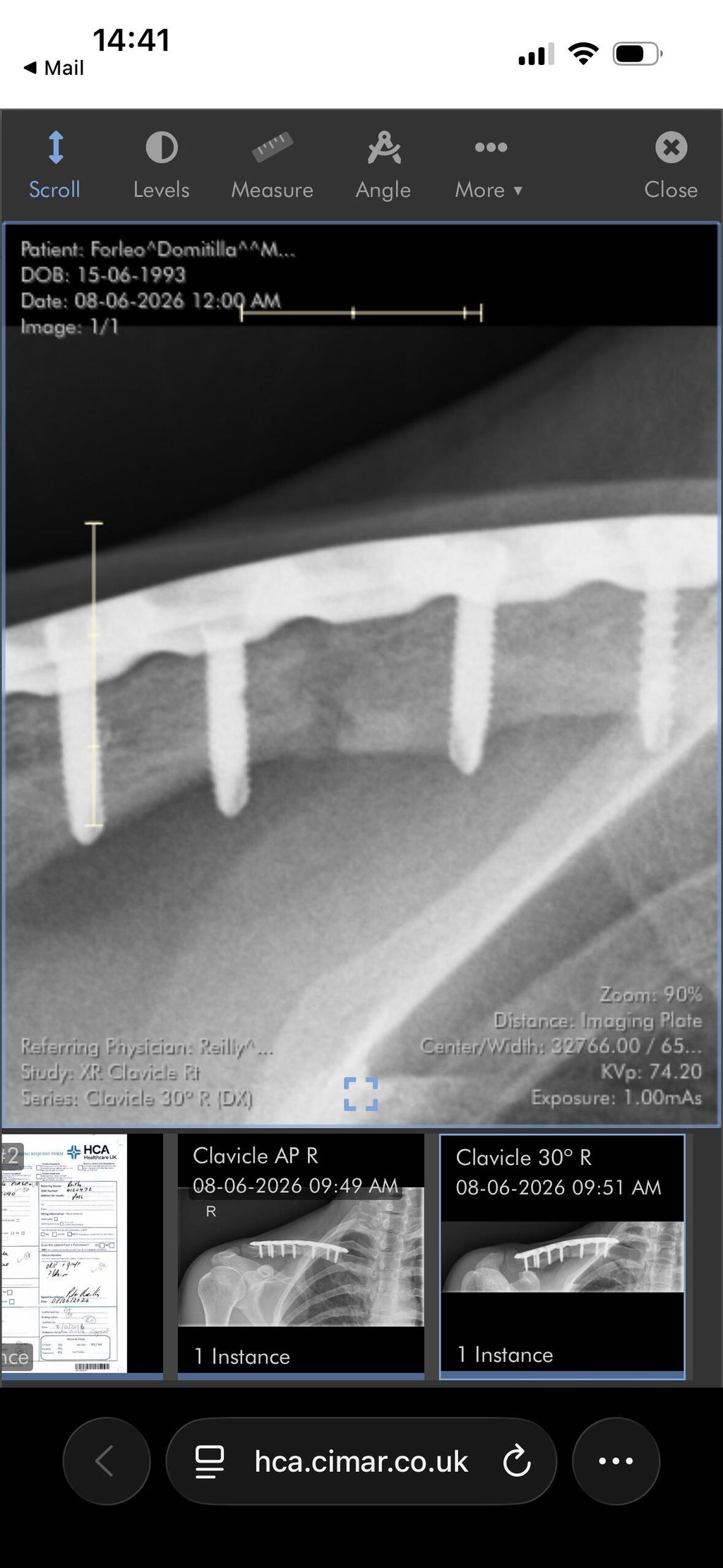
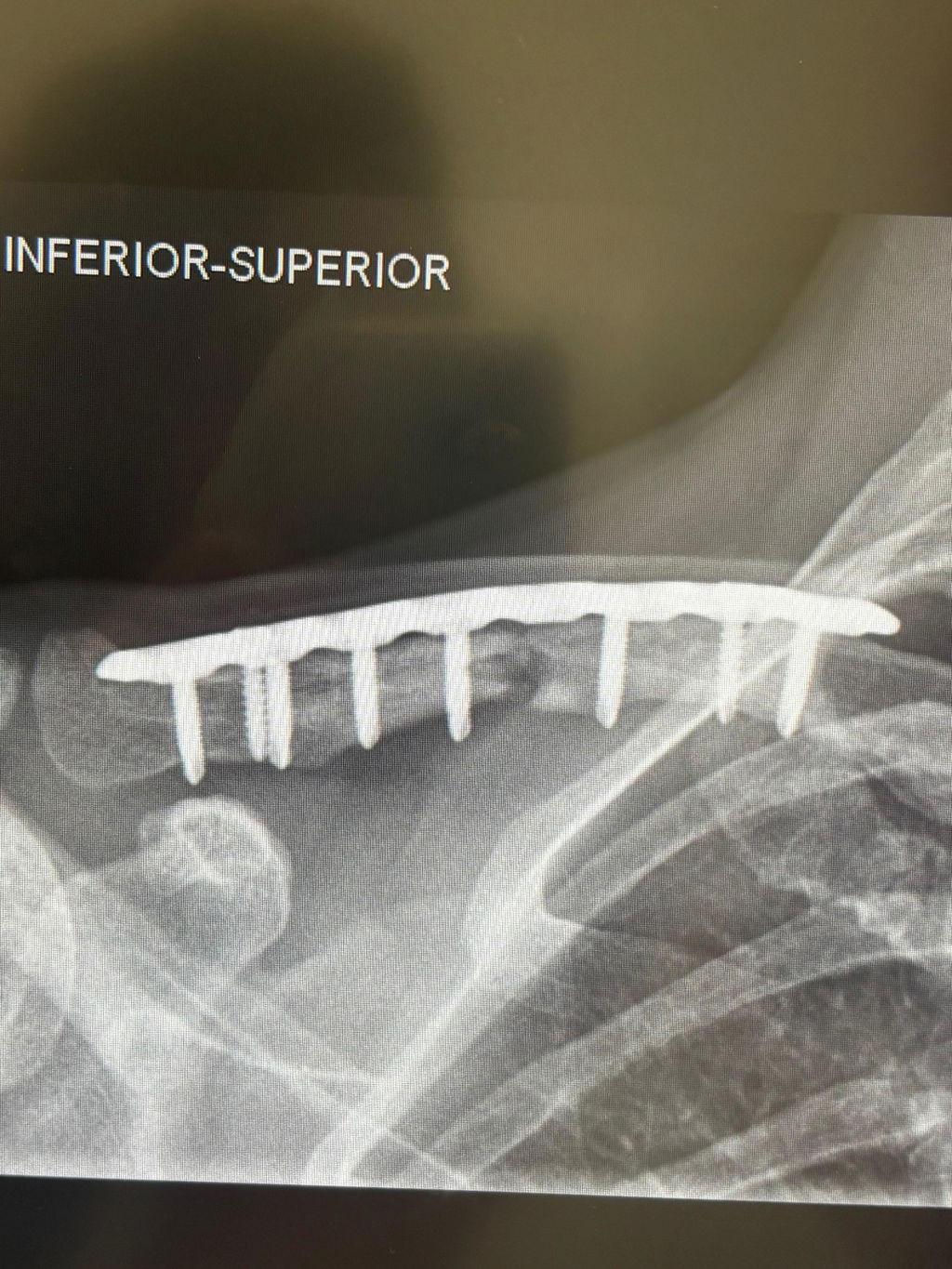
After 2.5 years of problems with my collarbone, the shockwaves helped me immensely. Nim was great and very professional throughout - before and after pics!
I was unable to play tennis due to hamstring tendinopathy for many months and it did not improve until I had a course of shockwave treatments which have been very successful. Nim is very pleasant and is genuinely interested and enthusiastic about seeing an improvement in your condition. She is very knowledgeable and information and advice she gives is always based on up to date research.
I was recommended focused shockwave therapy for a hamstring tendinopathy that had not been resolved through traditional physio. I found Nim, and her treatment has been excellent. After years of pain, I am delighted with the results. She is so knowledgeable and I've learnt a lot from her. How I approach sports training has changed forever for the good! She is also a lovely and interesting person to talk to: I always learned something new in each treatment session.
